How We Help You Decide
When you call us about a roof, siding project, gutters, or windows, the conversation doesn’t start with recommendations. It starts with questions — the same ones we learned to ask by watching homeowners get sold work they didn’t understand.
The right choice depends on understanding what you’re actually buying, not just the price on the proposal.
Questions to Ask Before You Commit
What exactly am I paying for?
A legitimate proposal spells out materials by brand and grade, the scope of work (what gets touched and what doesn’t), and workmanship terms. If a quote is just a number with a one-line description, that’s a red flag — it means you can’t actually verify what you’re getting, and neither can a second contractor bidding against it. Ask for a line-item breakdown. If they won’t provide one, move on.
How do I compare this to other quotes?
You can’t, if they’re written differently. Call each contractor back and ask them to use the same format — materials, scope, workmanship warranty, timeline. Once they’re in the same language, the differences jump out. One contractor might spec a premium membrane; another might include gutter guards. You need that clarity to make a real choice, not a price-based one.
What happens if something goes wrong after they leave?
Your warranty is only as good as the company backing it. Ask how long each part is covered — the materials themselves, the installation, and any callbacks if an issue shows up later. Some contractors stand behind their work for a decade; others offer a year. That difference matters when you’re looking at work that’s supposed to last 15 years or more.
How do I verify they can actually do this work?
Licenses and insurance are non-negotiable. They should provide proof without hesitation. If your house was built before 1978 and this is exterior work, ask if they’re certified under the EPA’s lead-safe rules — it’s not optional for older homes, and you can verify that certification independently. References are good, but a reference is always someone who was happy. Ask for at least three, but understand you’re only hearing one side.
What You’re Choosing Between
| Material Type | Lifespan | Best For | What Changes the Price |
|---|---|---|---|
| Asphalt shingles | 15–20 years | Most homes; budget-conscious | Grade (3-tab, architectural, premium); warranty |
| Metal | 40–50 years | High-wind areas; energy efficiency matters | Style (standing seam, shingles); paint finish; gauge |
| Slate | 60–100+ years | High-end homes; historic properties | Source; thickness; color variation |
| Tile (clay) | 50–100 years | Mediterranean; Mediterranean-inspired homes | Handmade vs. machine; finish; import vs. domestic |
The cheapest option today might be the most expensive over 30 years. A metal roof costs more upfront but outlasts shingles by three decades and saves you money on a replacement down the line.
What It Typically Costs
How is roofing priced?
Most contractors charge per square (100 square feet). A typical house roof is 20–30 squares. Asphalt roofs run $3–$8 per square for materials plus labor, which adds another $2–$5 per square depending on pitch, complexity, and the contractor’s overhead. That puts a 2,000 sq ft house at $10,000–$25,000 for a complete replacement. Metal and premium materials push that higher. The lowest bid almost always means cutting corners — cheaper materials, rushed labor, or incomplete scope. It’s not a savings; it’s a risk.
Should I fix it or replace it?
If your roof has isolated leaks and is under 15 years old, targeted repair might work. Beyond 15 years, replacement is usually better economics than repair — you’re paying labor multiple times on equipment that’s already aging. One contractor will tell you it’s fine for another 5 years; another will say rip it off tomorrow. Get at least two independent opinions, and if they differ wildly, hire a third-party inspector ($300–$500) who has no install contract on offer.
Is there a good time of year to do this?
Spring and fall are the contractor’s busy seasons, so prices are highest and timelines are longer. Winter is cheaper and faster because demand is lower — but weather delays are real. Summer is middle ground: decent pricing if you book early, but you’ll be on a waiting list. Have the work when it fits your budget and timeline, but book far enough ahead that you’re not negotiating from desperation.
What It Should Look Like When Done
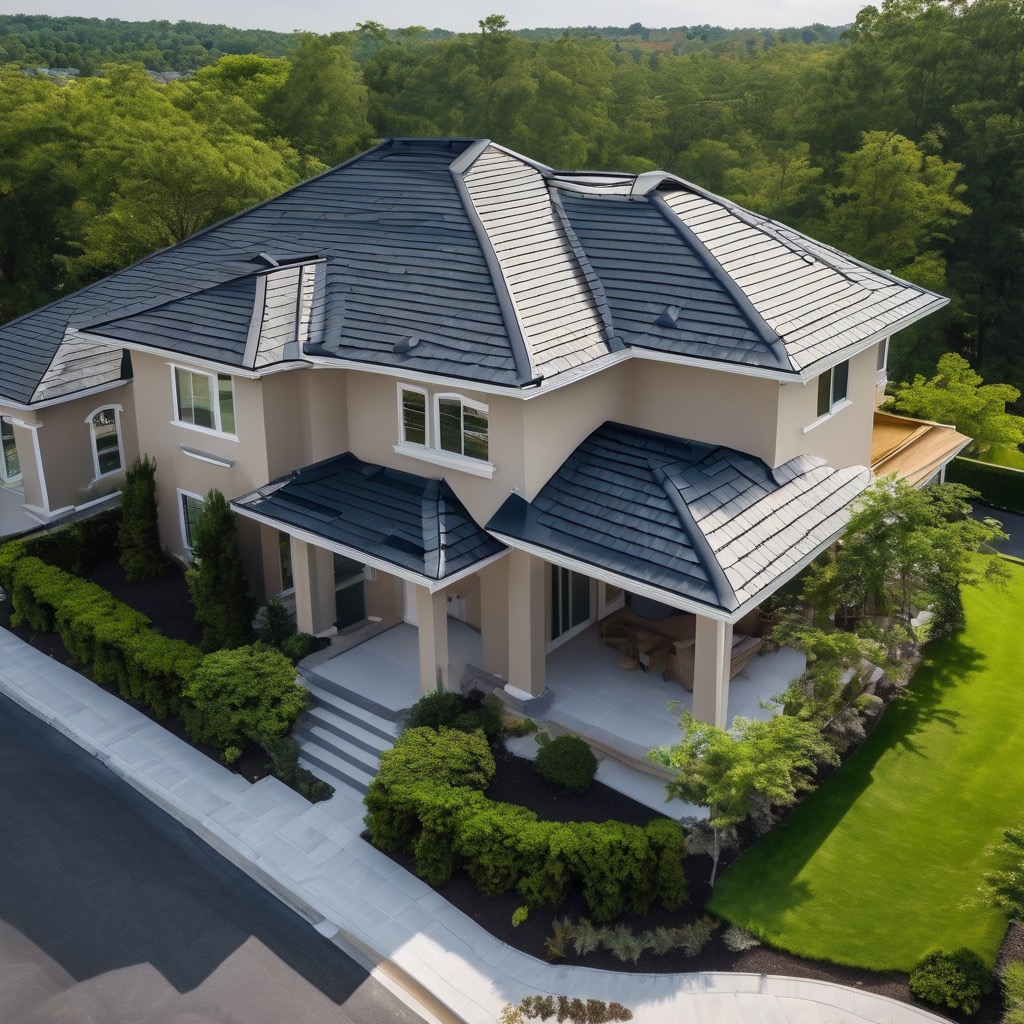
A quality installation means seams are tight, shingles are aligned, flashing around penetrations is sealed, and gutters are clear. You should be able to walk outside after a heavy rain and find no leaks, no water marks on ceilings or walls. The crew should clean up their mess — roofing nails and debris left behind become hazards. A professional finishes on time, stays within the quote, and leaves your property in better condition than they found it. If something doesn’t look right, ask before they pack up. It’s cheaper to fix a concern the day of the job than to discover it six months later.
Step Through It with Them
Before they start: Walk the roof with the contractor. Point out existing issues. Photograph the current state. Confirm what’s included in the scope and what isn’t — will they replace the gutters or just the roof? Will they address soffit issues they discover during the job? Get clarity on the contract before the work begins, not during.
While they work: Check in daily. Look at the progress — seams, flashing, cleanup. A professional crew won’t be offended by a homeowner who’s paying attention. Ask questions if something looks off. Don’t wait until the job is finished to raise concerns.
Watch this before you call anyone
Someone else already explained this better than we can. “Roof Inspection In Orland Park” covers the same ground this page does, in about the time it takes to finish a coffee.
What to Consider First

The first thing to know is your roof’s actual condition. Is it leaking now, or are you planning ahead? A leak is urgent. Pre-failure maintenance is strategic. Some homeowners replace a roof that has another 5 years left because they heard “it’s time.” Others ignore a roof that’s already failing because they’re hoping it lasts another year. Neither is wise. Get a third-party inspection if you’re uncertain. A professional inspector has no install work to sell you, so their assessment is unbiased. Then you can make an actual choice instead of guessing.