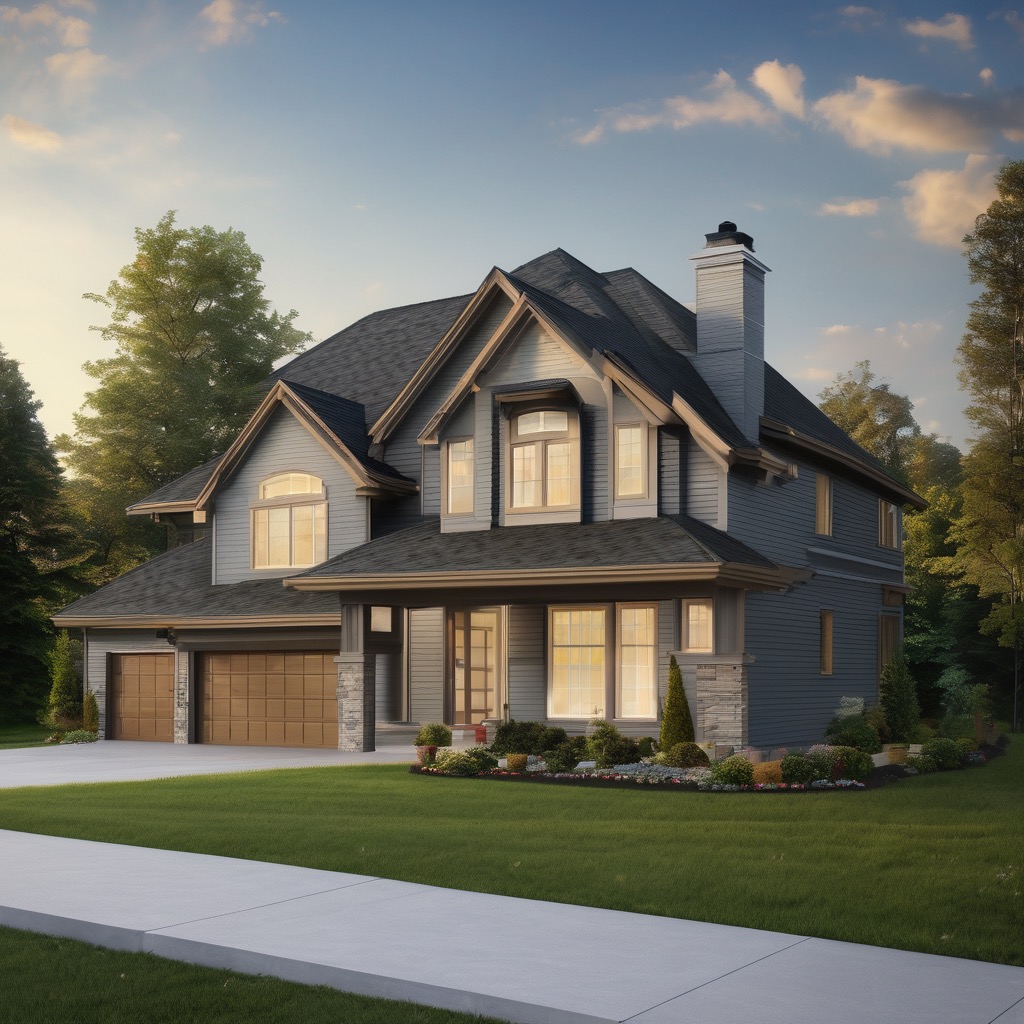
Orientation — What This Is

There’s no single right way to engage a consultant. Some homeowners want a deep dive—someone on-site walking through the whole property, answering forty questions, building a prioritization plan. Others want a focused conversation on one problem: “We’re thinking about new windows, what should we actually know?” Both are valid engagements, and the cost and timeline reflect that.

This page lays out the models we work with: what each one covers, how long it takes, what you get out of it, and what it costs to have someone who knows the field walk through it with you. Pick the one that matches where you are in the process.

How to Use It
Local office with professional team working with project materials
Before engagement: You’re wondering where to start and what actually needs attention. You have questions but no framework for prioritizing them.
Professional roofing contractors working together on a residential project
After engagement: You have a clear picture of what’s urgent and what can wait. You know what to ask contractors. You have a plan.

Start with the model that matches your situation. If you’re at the “I don’t know where to start” phase, a comprehensive property assessment makes sense. If you’ve already decided you want new windows, a focused consultation on windows saves time and money. The time and cost scale up or down with scope.

Common Sticking Points

What if the assessment shows things I wasn’t expecting?

That’s actually the point. An assessment isn’t marketing for the most expensive fix—it’s an honest read of what’s happening with your house. If the assessment suggests urgent work that surprises you, we’ll talk through what “urgent” means, why we flagged it, and what the actual timeline is. Some problems are “do this next month,” others are “do this in the next five years.” The assessment sorts that out.

Do I have to hire the contractors you recommend?

No. The engagement is advisory. You get the information, the framework for understanding it, and the talking points to use when you interview contractors. You choose who to hire based on your own research, budget, and comfort level. Our job is to raise your confidence that you’re asking the right questions.

How long does an assessment actually take?

A focused consultation on one trade (windows, for example) runs about an hour on-site plus a follow-up conversation. A comprehensive property assessment takes two to three hours on-site, then another hour to synthesize the findings and talk through priorities. We schedule based on your availability, not a fixed calendar slot.

What if I get different advice from a contractor I call later?

That happens, and it’s useful information. Contractors have a stake in recommending their work, so their assessments come with a bias we don’t carry. If you get conflicting opinions, ask the contractor why they see it differently. A good contractor will explain their reasoning, and you’ll have enough context from the assessment to understand if the difference is about priority or approach or if something doesn’t add up.

Can we do a quick phone call instead of an in-person visit?

Not for a property assessment. Photos help, but they don’t tell you whether there’s rot under the eaves or if the roof deck has settled. The assessment is valuable because it’s in-person and specific to your house. A phone conversation works after you’ve had the assessment and want to discuss a follow-up question or compare quotes you’ve gotten. But the first step needs to be boots on the ground.