The Notebook
Years of recommending exterior contractors to friends and neighbors has taught me that the difference between a project that lasts and one that costs you twice comes down to one thing: knowing what you’re actually looking at. This notebook is what I’ve learned to ask, measure, and document when evaluating roofing, siding, windows, and gutters—the four trades where most homes spend serious money.
It’s not meant to make you an inspector. It’s meant to make you dangerous to contractors who cut corners, and smart enough to recognize the ones who don’t. Over the past fifteen years, I’ve collected notes on what separates a quote that covers the real scope from one that leaves you discovering problems mid-project. I’ve watched jobs go well and jobs go sideways, and there’s usually a clear moment where you can see it coming if you know what to look for.
The goal here is to arm you with the kind of information that shifts the conversation. Instead of hoping your contractor is honest, you’ll be asking specific questions about specific things. Instead of comparing three numbers and guessing which one is right, you’ll understand what’s bundled into each number and where the hidden costs hide.
Common Sticking Points
These are the five things that trip up homeowners when they’re comparing quotes and trying to figure out whether a contractor is giving them the real story. They’re not signs of fraud necessarily—they’re just places where language gets loose and assumptions get made.
What Gets Glossed Over
Warranty terms that sound identical but aren’t—one covers manufacturing defects, another covers labor, and a third requires the previous roof removed first. Material grades left unnamed in the estimate, so you can’t compare the same shingle across quotes. Hidden costs that only show up when the contractor finds water damage, old flashing, or structural rot under the damaged section. Timeline vagaries—weather delays, supply chain hiccups—that matter if you have an open hole in your roof. Access and permits that the contractor expects you to handle separately.
How to Read Around It
Ask the contractor to spell out exactly what the warranty covers, for how long, and what voids it—get it in writing before you commit. Request a site visit where they walk you through what material they’re using and why it’s right for your house’s climate and slope, not just the brand name. Get a written estimate that breaks out the scope (what comes off, what stays, what replaces it) separately from the price. Ask whether the estimate is weather-dependent and permit-dependent, and what happens if discovery work adds cost. Find out who pulls permits and whether that’s included. Request photos of similar projects they’ve completed recently.
The Detail
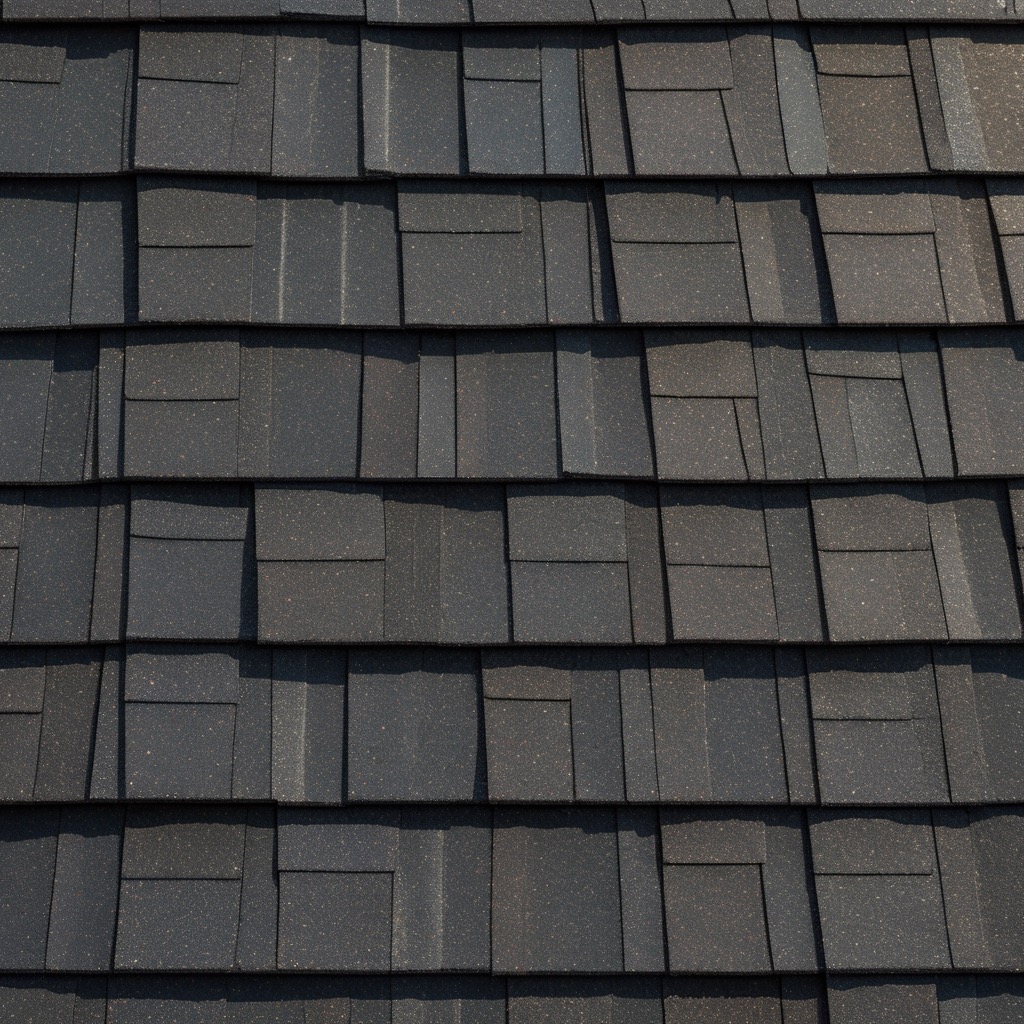

The shift from assessment to completed work shows what you’re evaluating. When a contractor visits, they should be taking measurements, photos, and notes—not just eyeballing it from the driveway. When the work is done, you should be able to see consistent material quality, tight seams with proper overlap, flashing that channels water away from vulnerable joints, and fasteners that follow a clear pattern. Sloppy fasteners are the sign of rushed work; inconsistent materials often mean supplier changes mid-project that you weren’t told about. A good contractor documents both phases for you, so you have a record of what was there and what was replaced.