Case Study: Breaking Down a Roof Replacement Estimate
A $12,000 estimate might be thorough or incomplete—you won’t know without asking specific questions. Here’s what I look for in a roof replacement proposal, and how to read what a contractor is actually promising.
The difference between a one-page estimate and a complete proposal is the same as the difference between a number and a commitment.
The Reference Table
| Component | Should Include | Red Flag if Missing |
|---|---|---|
| Materials | Shingle brand and weight; warranty length and coverage | Just “asphalt shingles” with no grade specified |
| Labor | Cost broken out separately from materials; mention of removal and disposal | One lump sum; no detail on what’s included |
| Roof prep | Inspection for rot, flashing replacement, underlayment type | Assumes no structural work needed |
| Timing | Start date, expected duration, weather contingencies | Open-ended or vague (“3-5 weeks”) |
| Warranty | Workmanship warranty in writing; materials warranty from manufacturer | Verbal promise only |
Note: A complete estimate should run 3-5 pages and reference specific materials by model number, not brand category.
Next Step: Request Detailed Specifications

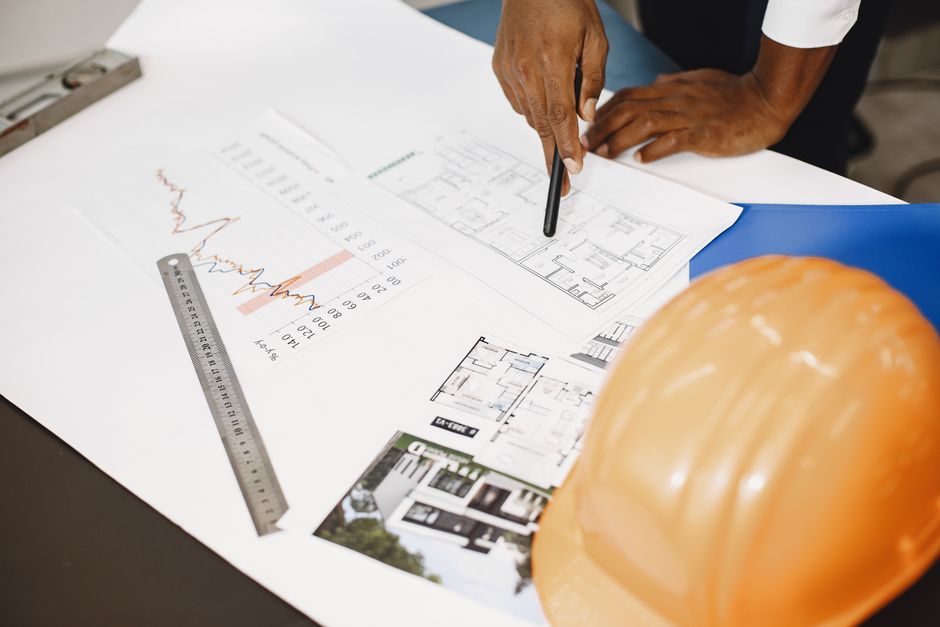
A good contractor will welcome specific questions about materials, warranty, and timeline. If they offer a one-page estimate and resist putting details in writing, that’s a signal to keep looking. The estimates worth comparing are the ones detailed enough to compare.
Common Sticking Points
Three decisions surface in almost every estimate I review, and they’re worth settling before you sign anything.
Material Grade
Asphalt shingles come in three-tab, architectural (laminate), and premium grades. Premium costs 30-50% more but lasts 5-10 years longer. The right choice depends on how long you plan to stay in the house, not on the contractor’s recommendation alone.
Underlayment Type
Synthetic underlayment is more expensive than felt but lasts longer and handles moisture better. Some regions and roof pitches make it essential; others make it optional. Ask why your contractor specified what they did.
Warranty Coverage
Workmanship warranty typically runs 5-10 years and covers labor if something fails. Material warranty from the shingle manufacturer is separate and longer. Neither covers weather-related damage or neglect, so read the exclusions.
Disposal and Cleanup
Your estimate should specify whether the contractor removes and hauls away the old roof, or leaves it for you to handle. If they don’t mention it, ask—disposal adds $1,000-$3,000 to the project cost.
The Numbers People Ask About
How long does a roof replacement typically take?
A straightforward replacement on a 2,000 sq. ft. house usually takes 2-4 days of actual work. Weather delays and permit waiting can stretch that to 2-3 weeks. Your estimate should specify working days, not calendar days.
What’s a realistic cost per square foot?
A “square” in roofing is 100 sq. ft. Material and labor combined typically run $300-$600 per square depending on material grade, local labor rates, and roof complexity. That’s $3,000-$6,000 per 1,000 sq. ft. of roof. Anything outside that range needs explanation.
Should I get multiple estimates, and how different will they be?
Three estimates are standard. Honest contractors will differ by 10-15% on price if they’re proposing the same materials and scope. If one estimate is 25% lower, either they’re cutting corners on materials or labor, or they miscalculated. Ask them to clarify what’s different.
When is the best time of year for a roof replacement?
Spring and fall are the busiest—contractors are booked and prices are higher. Late fall and early winter see lower demand and lower prices, but bad weather can delay work. Your timeline and weather tolerance matter more than the season.